Author: Pamela N. Billingsley

  • Executor Living in Estate Property Rent Free: Benefits, Challenges, and Best Practices

    Key Takeaways

      • Role of the Executor: Executors are responsible for managing the deceased’s estate, ensuring legal compliance, asset distribution, and addressing outstanding debts while navigating emotional challenges.
      • Living Rent-Free: Executors may reside in the estate property rent-free, providing stability; however, this arrangement necessitates legal and ethical considerations to avoid potential disputes with beneficiaries.
      • Legal and Ethical Considerations: Executors must adhere to state laws, disclose occupancy to beneficiaries, and avoid self-serving actions, maintaining transparency and documentation of their living arrangement.
      • Advantages of On-Site Living: Living in the estate estate offers financial relief, enhanced property oversight, improved beneficiary communication, stability during the estate settlement process, and better security for the property.
      • Challenges: Executors face maintenance responsibilities and potential conflicts with heirs regarding the use of estate resources; proactive communication and documentation can help mitigate misunderstandings.

    When a loved one passes away, the responsibilities of managing their estate often fall to an executor. This role comes with a mix of emotional and financial challenges, particularly when it involves living in the estate property rent-free. Executors might find themselves in a unique position, balancing their duties to the estate with personal living arrangements.

    Living in the estate property can offer significant advantages, but it also raises important questions about legality and fairness. Executors must navigate the complexities of estate management while ensuring they act in the best interest of all beneficiaries. Understanding the rights and responsibilities tied to living in estate property is crucial for anyone stepping into this role.

    Executor Living in Estate Property Rent Free

    Executors play a vital role in estate management, acting as the appointed individuals responsible for administering a deceased person’s estate. They ensure compliance with legal requirements, oversee asset distribution, and resolve any outstanding debts. Executors face various emotional and financial challenges while navigating the complexities of estate management.

    Executors must adhere to specific legal obligations. They need to locate and secure assets, manage ongoing expenses, and file necessary documents with probate courts. They also hold the responsibility of communicating with beneficiaries, keeping them informed about the estate’s status.

    In certain situations, an executor may reside in the estate property rent-free. This arrangement often provides stability during the estate settlement process. However, living rent-free can pose legal and ethical considerations. Executors must maintain transparency with beneficiaries and document conditions related to their living arrangements to avoid potential disputes. Understanding these responsibilities helps executors manage the estate effectively while fulfilling their obligations.

    Executor Living in Estate Property Rent Free: An Insight

    Executors living in estate property rent-free encounter significant legal and ethical considerations. It’s essential for them to navigate these factors to manage the estate effectively and avoid potential disputes.

    Legal Implications

    Executors residing in estate property without incurring rent must adhere to specific legal guidelines. They should ensure their living arrangement aligns with state laws governing estates. Executors must disclose their occupancy to beneficiaries, as transparency helps prevent allegations of self-dealing. Documenting the terms of residency within the estate’s financial records is crucial. This includes clarifying the duration of the stay and any associated responsibilities. Furthermore, if the estate requires maintenance, the executor must confirm that their living arrangement does not interfere with estate obligations or fiduciary duties.

    Ethical Considerations

    Executors face ethical responsibilities when living rent-free in estate property. They must prioritize the interests of beneficiaries and avoid actions that may be perceived as self-serving. Open communication regarding their residency status fosters trust among beneficiaries. Executors should also avoid using estate resources for personal benefit, ensuring that expenditures align with estate management. Establishing clear boundaries and responsibilities can prevent misunderstandings and promote equitable treatment of all parties involved. Additionally, involving a neutral third party, such as an attorney, can provide guidance and oversight to maintain ethical standards throughout the process.

    Benefits of Living Rent Free as an Executor

    Living rent-free as an executor provides several notable advantages that aid in the effective management of an estate.

      1. Financial Relief: Living in the estate property eliminates monthly rental costs. Executors can allocate those savings towards estate-related expenses, including legal fees and maintenance costs.
      1. Property Oversight: Being on-site allows for comprehensive management of the property. Executors can monitor the estate’s condition, oversee necessary repairs, and ensure the preservation of assets.
      1. Accessibility: Easy access to the property facilitates better communication with beneficiaries. Executors can discuss estate matters and make timely decisions regarding asset distribution.
      1. Stability During Transition: Residing in the estate property offers stability during the often turbulent estate settlement process. Executors maintain a consistent living environment while addressing the numerous tasks associated with managing an estate.
      1. Enhanced Security: An executor living on the property secures it against potential theft or vandalism. Their presence acts as a deterrent to unauthorized access, protecting the estate’s assets.
      1. Emotional Connection: Living in the family home can create a deeper emotional connection to the estate. This connection may motivate executors to handle the estate with greater care and attention, honoring the wishes of the deceased.
      1. Simplified Record Keeping: With direct access to the property, executors can maintain organized records of all estate activities. This includes tracking expenses, maintenance logs, and other necessary documentation while living on-site.

    By taking advantage of the benefits associated with living rent-free, executors can effectively manage the estate while fulfilling their responsibilities to the beneficiaries.

    Challenges Faced by Executors

    Executors encounter several challenges while managing estates, particularly when living rent-free in the estate property. Two main concerns include property maintenance responsibilities and potential conflicts with heirs.

    Property Maintenance Responsibilities

    Executors bear the duty of maintaining the estate property during the probate process. Maintenance tasks include regular upkeep, repairs, and addressing safety issues. Executors must secure the property and monitor its condition to prevent deterioration. Expenses can accrue quickly, and executors should budget for ongoing maintenance costs while ensuring that funds are available. Organization and prompt attention to repairs contribute to preserving the property’s value and minimizing conflicts with beneficiaries regarding estate condition.

    Potential Conflicts with Heirs

    Executors often face potential conflicts with heirs over the management of the estate. Misunderstandings regarding the executor’s use of estate resources, including living rent-free, can arise. Disputes may emerge when heirs feel the executor’s occupancy impairs their inheritance or if decisions appear self-serving. Open communication and transparent decision-making help mitigate these tensions. Documenting discussions with heirs provides clarity and reduces the likelihood of disputes, ensuring that the executor maintains a fair and responsible approach to their stewardship of the estate.

    Executor Living in Estate Property Rent Free

    Navigating the complexities of estate management as an executor can be challenging. Living rent-free in the estate property offers distinct advantages that can ease financial burdens and enhance oversight. However it also requires a commitment to ethical responsibilities and transparency with beneficiaries. Executors must remain vigilant about maintaining the property and communicating effectively to foster trust. By prioritizing the interests of all parties involved and adhering to legal guidelines, executors can fulfill their duties while ensuring a smooth transition for the estate. This balanced approach ultimately supports the executor’s role and the well-being of the beneficiaries.
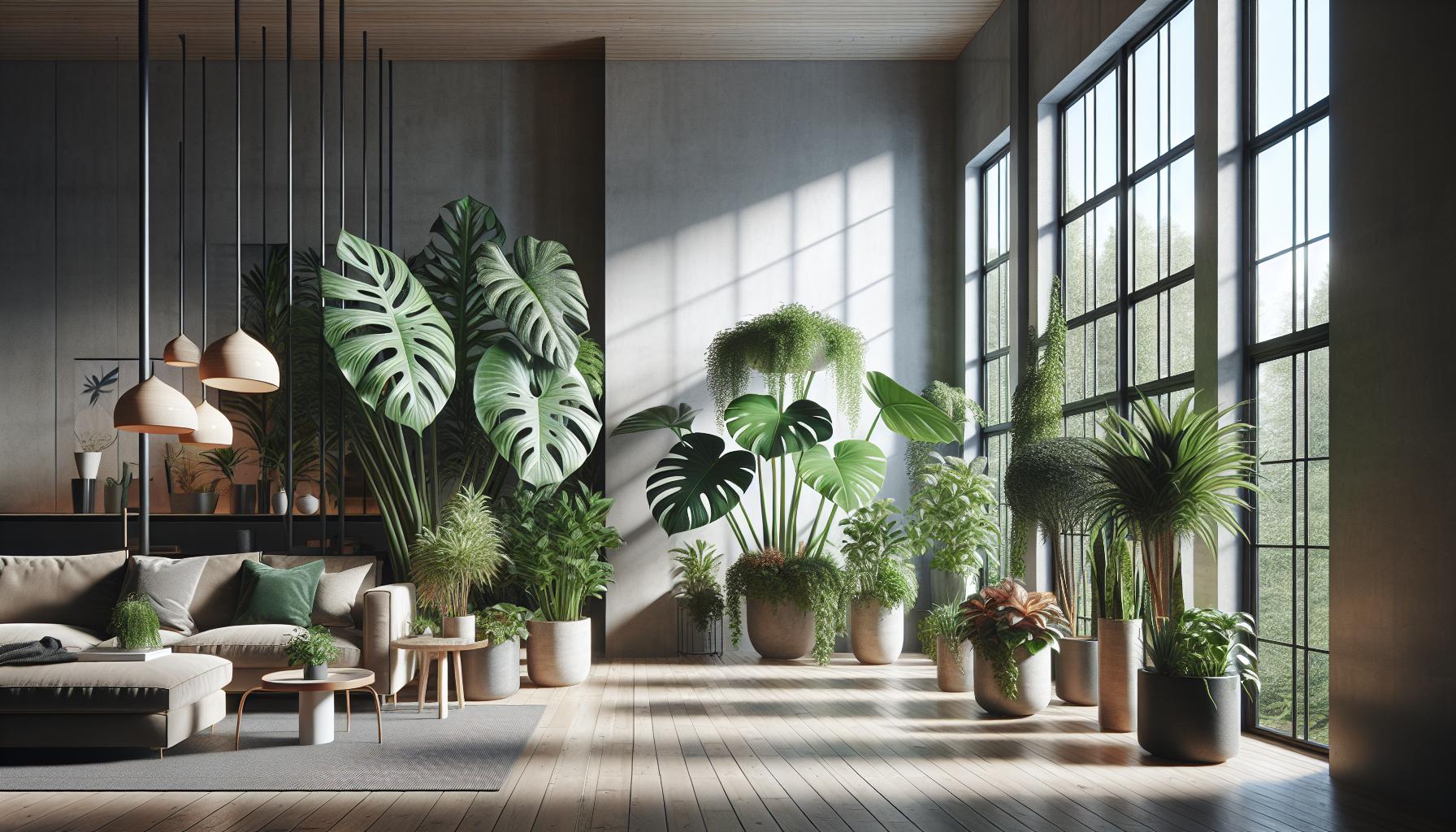
  • 10 Most Expensive House Plants That Cost More Than Your Car | Rare Plant Guide 2024

    10 Most Expensive House Plants That Cost More Than Your Car | Rare Plant Guide 2024

    I’ve always been fascinated by the world of rare and expensive houseplants where a single leaf cutting can cost more than a luxury car. As a plant enthusiast and collector I’ve witnessed firsthand how these botanical treasures have transformed from simple home decor into status symbols worth thousands of dollars.

    The most expensive houseplants aren’t just pretty to look at – they’re living investments that combine rarity exclusivity and incredible natural beauty. From the stunning variegated Monstera deliciosa to the elusive Philodendron Spiritus Sancti these plants have created a booming market where collectors will pay astronomical prices for a piece of horticultural history. I’ll take you through the most valuable houseplants that have plant lovers worldwide opening their wallets for a chance to own these green gems.

    Key Takeaways

    • The world’s most expensive houseplant is the Variegated Philodendron Spiritus Sancti, with specimens selling for up to $23,000
    • Premium houseplants command high prices due to factors like limited availability, complex propagation requirements, slow growth rates, and unique genetic mutations
    • Popular expensive varieties include Variegated Monstera Deliciosa ($5,000-$15,000), Hoya Carnosa Compacta Variegata ($3,000-$6,500), and Philodendron Pink Princess ($2,500-$5,000)
    • Proper care for expensive plants requires precise control of light, temperature (65-80°F), humidity (60-80%), and specialized soil mixes
    • Most valuable specimens are sold through private auctions, specialized plant shops, and social media marketplaces, with international shipping adding 15-30% to costs

     Expensive House Plants

    The Variegated Philodendron Spiritus Sancti ranks as the world’s most expensive houseplant, with a single specimen selling for $23,000 in a private auction.

    Plant Name Price Range Key Value Factor
    Variegated Philodendron Spiritus Sancti $10,000-$23,000 Extreme rarity
    Variegated Monstera Deliciosa $5,000-$15,000 Half-moon variegation
    Hoya Carnosa Compacta Variegata $3,000-$6,500 Unique rope-like growth
    Philodendron Pink Princess $2,500-$5,000 Pink variegation
    Monstera Obliqua $2,000-$4,500 Naturally fenestrated leaves

    Here are the distinguishing characteristics of these premium plants:

    • Variegated Philodendron Spiritus Sancti features distinctive white-green marbling patterns across its arrow-shaped leaves
    • Variegated Monstera Deliciosa displays split-leaf patterns with cream-white sections against dark green foliage
    • Hoya Carnosa Compacta Variegata exhibits twisted rope-like vines with cream-colored specks
    • Philodendron Pink Princess shows striking pink variegation on heart-shaped dark leaves
    • Monstera Obliqua produces delicate leaves with more holes than actual leaf tissue

    These plants command high prices due to specific factors:

    • Limited availability in cultivation centers
    • Complex propagation requirements
    • Slow growth rates under artificial conditions
    • High demand from international collectors
    • Genetic mutations that create unique variegation patterns
    • Private auctions host the highest-value transactions
    • Social media marketplaces facilitate mid-range sales
    • Specialized plant shops maintain premium pricing
    • Online forums connect collectors for direct trades
    • International shipping adds 15-30% to base prices

    Rare Philodendron Varieties

    expensive house plantsPhilodendrons represent some of the most sought-after plants in the rare houseplant market, with certain varieties fetching astronomical prices due to their unique characteristics. I’ve tracked these specimens extensively through specialized collectors’ networks and international auctions.

    Pink Princess Philodendron

    The Pink Princess Philodendron commands prices between $100-$1,000 based on size and variegation patterns. Its distinctive pink variegation appears randomly on dark green leaves, creating unique patterns on each specimen. The plant’s variegated portions result from a genetic mutation that affects chlorophyll production. Mature specimens display leaves measuring 5-8 inches in length with varying ratios of pink coloration.

    Pink Princess Philodendron Features Details
    Average Price Range $100-$1,000
    Leaf Size 5-8 inches
    Growth Rate Moderate
    Variegation Type Pink and dark green

    Philodendron Spiritus Sancti

    The Philodendron Spiritus Sancti ranks among the rarest Philodendron species, with specimens selling for $5,000-$23,000. Native to Brazil, this plant exists in limited numbers in the wild, with fewer than 100 documented specimens in cultivation. Its elongated, arrow-shaped leaves grow up to 36 inches long, displaying a deep emerald green color with prominent veining patterns.

    Spiritus Sancti Features Details
    Price Range $5,000-$23,000
    Leaf Length Up to 36 inches
    Known Specimens <100 in cultivation
    Origin Brazil

    Valuable Monstera Species

    Monstera species rank among the most expensive houseplants in the global market with prices reaching up to $20,000 for rare specimens. The demand for these tropical plants continues to surge due to their distinctive leaf fenestrations, variegation patterns, and limited availability.

    Monstera Obliqua

    The Monstera Obliqua stands as one of the rarest Monstera species with a market value between $3,000 to $7,000 per plant. Its paper-thin leaves feature more holes than actual leaf tissue, creating a delicate, lace-like appearance that distinguishes it from the common Monstera Adansonii. Authentic Obliqua specimens exist in only 17 documented locations worldwide, with most plants in cultivation being misidentified Adansonii varieties.

    Variegated Monstera Deliciosa

    The Variegated Monstera Deliciosa commands prices ranging from $200 to $5,000 based on variegation patterns, size, and maturity. Notable varieties include:

    • Thai Constellation – Features cream-colored speckles genetically engineered for stability
    • Albo Borsigiana – Displays striking white sectoral variegation
    • Aurea – Exhibits rare yellow variegation patterns

    Price comparison for Variegated Monstera varieties:

    Variety Small Plant Mature Specimen
    Thai Constellation $200-400 $1,000-2,000
    Albo Borsigiana $300-700 $2,000-5,000
    Aurea $400-800 $3,000-5,000

    The highest prices correspond to specimens with 50% or more variegation on mature leaves, established root systems, and multiple growth points.

    Sought-After Anthurium Types

    Anthurium species represent some of the most valuable plants in the collector’s market, with certain varieties fetching prices over $1,000. These tropical plants feature distinctive heart-shaped leaves with prominent veining patterns that make them highly desirable among rare plant enthusiasts.

    Anthurium Warocqueanum

    The Anthurium Warocqueanum, known as the Queen Anthurium, commands prices between $500 to $3,000 based on size and condition. Its elongated, velvety dark green leaves grow up to 6 feet long with prominent silvery-white veins creating a dramatic contrast. Market availability remains limited due to its specific growing requirements:

    • Requires 80% humidity levels for optimal growth
    • Grows best in temperatures between 65-80°F
    • Needs well-draining aroid soil mix
    • Takes 3-5 years to reach maturity

    Anthurium Crystallinum

    The Anthurium Crystallinum features deep green, crystalline-textured leaves with prominent white veins, selling for $200 to $1,000. This specimen’s value varies based on:

    • Leaf size (larger specimens command higher prices)
    • Variegation patterns
    • Root system development
    • Overall plant health

    Key characteristics include:

    • Heart-shaped leaves reaching 12-18 inches
    • Velvet-like leaf texture
    • Distinctive white venation patterns
    • Compact growth habit suitable for indoor cultivation

    The rarity of both specimens comes from their slow growth rate and specific care requirements, making them particularly valuable in the collector’s market.

    What Makes House Plants Expensive

    The value of expensive house plants stems from multiple factors that create a perfect storm of high prices in the collector’s market. These elements combine to drive prices up to thousands of dollars for single specimens.

    Rarity and Demand

    Rare house plants command premium prices due to their limited availability in the global market. Plants with unique mutations, such as the Variegated Monstera Deliciosa Thai Constellation or Philodendron Pink Princess, appear in only 1 out of 100,000 specimens. Here’s what influences rarity:

    • Limited natural populations in specific geographic locations
    • Slow reproduction rates through natural propagation
    • Protected status restricting collection from native habitats
    • Exclusive breeding rights held by specific nurseries
    • Controlled releases of new varieties to maintain scarcity

    Growing Conditions

    Expensive plants often require precise growing conditions that make cultivation challenging. Critical environmental factors include:

    • Temperature control within 2-3 degrees of optimal range
    • Specific humidity levels between 60-80%
    • Filtered light requirements measured in foot-candles
    • Custom soil mixes with exact pH levels
    • Specialized propagation techniques
    Requirement Typical Cost Range (Monthly)
    Grow Lights $30-100
    Humidifiers $20-50
    Special Nutrients $15-40
    Climate Control $40-120
    Professional Care $50-200

    How to Care for Premium Plants

    Light Requirements
    Premium houseplants thrive in bright indirect light for 6-8 hours daily. I position valuable specimens 3-5 feet from east or north-facing windows to prevent leaf burn. Variegated varieties like Thai Constellation Monstera need 20-30% more light than their non-variegated counterparts to maintain distinct patterns.

    Temperature Control
    Rare plants require stable temperatures between 65-80°F (18-27°C). I maintain a 10-15°F temperature difference between day and night. Many premium specimens, like Philodendron Spiritus Sancti, stop growing below 60°F (16°C).

    • Install humidity monitors in each plant zone
    • Maintain 60-80% humidity using ultrasonic humidifiers
    • Group plants on pebble trays filled with water
    • Create microenvironments using glass cabinets
    • Use automated misting systems for consistent moisture

    Watering Protocol
    Premium plants need precise watering schedules based on specific moisture requirements:

    Plant Type Watering Frequency Moisture Level
    Monstera Varieties Every 7-10 days 50-60%
    Rare Philodendrons Every 5-7 days 60-70%
    Anthurium Species Every 4-6 days 70-80%

    Soil Requirements
    I create custom soil mixes for premium plants:

    • 40% high-quality orchid bark
    • 30% peat moss or coco coir
    • 20% perlite or pumice
    • 10% horticultural charcoal
    • pH level maintained between 5.5-6.5

    Fertilization Schedule
    Premium plants receive balanced nutrition through:

    • Monthly applications of balanced liquid fertilizer (20-20-20)
    • Quarterly supplements of calcium magnesium
    • Bimonthly micronutrient sprays
    • Reduced feeding during dormant periods

    Pest Prevention
    I implement strict preventive measures:

    • Weekly leaf inspections with magnifying glass
    • Quarantine new plants for 30 days
    • Monthly preventive neem oil applications
    • Sticky traps placed strategically
    • Regular leaf cleaning with distilled water
    • Install moss poles for climbing varieties
    • Use plant stakes made of natural materials
    • Adjust support systems every 3 months
    • Maintain 85% humidity around moss poles
    • Position aerial roots toward support structures

    Houseplant community

    I’ve seen firsthand how rare houseplants have transformed from simple decorative items into valuable investments. The world of premium plants offers something truly special for collectors and enthusiasts alike. Whether you’re drawn to the stunning variegation of a Monstera Thai Constellation or dream of owning a coveted Philodendron Spiritus Sancti there’s no denying the allure of these botanical treasures.

    While the high price tags might seem daunting these plants represent more than just status symbols. They’re living pieces of art that require dedication skill and patience to maintain. I believe that as the rare plant market continues to evolve we’ll see even more extraordinary specimens emerge making this an exciting time to be part of the houseplant community.